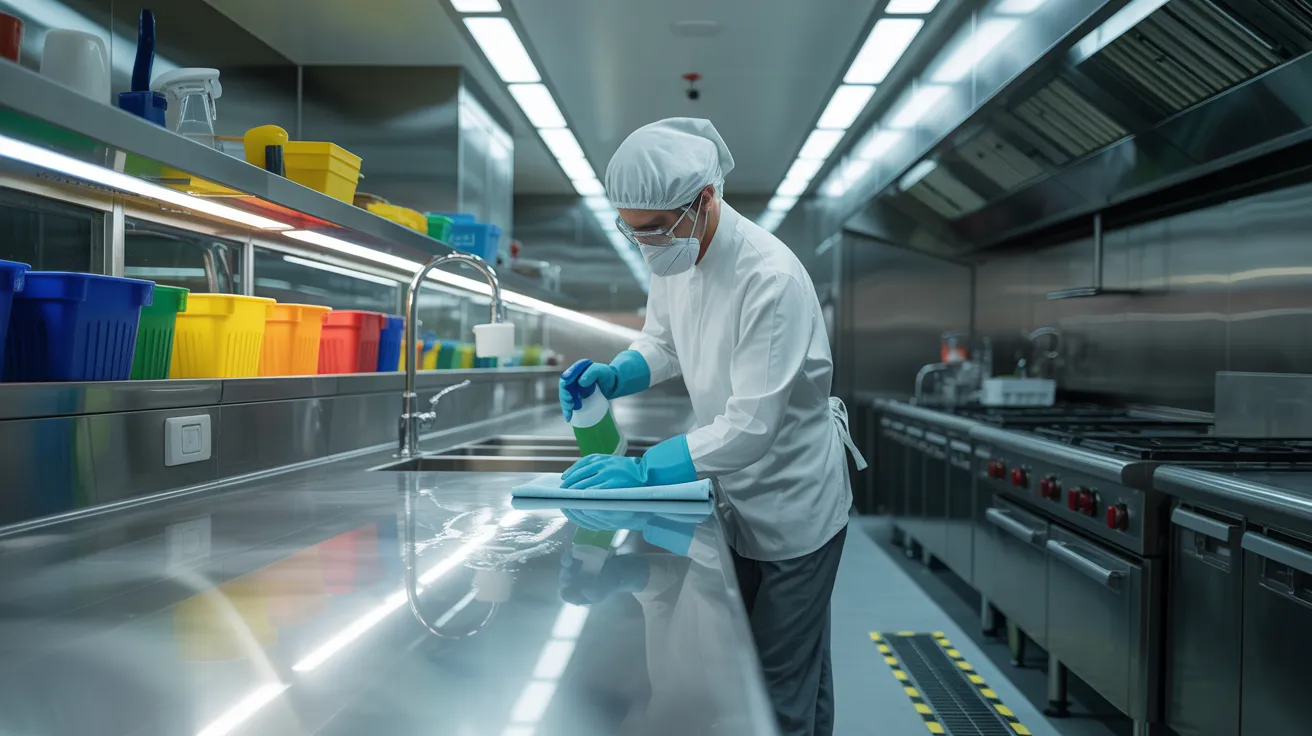
Professional food safety experts located in Brampton help maintain food service establishments, commissaries, bakeries, warehouses, and food service vehicles to sanitation standards. They treat high-touch surfaces, food prep surfaces, equipment, floors, drains, restrooms, and food handling areas using approved sanitizers, in correct dilution, and with verified times.
Main Points
- Brampton food safety cleaning experts maintain restaurants, grocery departments, commissaries, warehouses, bakeries, schools, mobile vendors, and allergen-sensitive operations.
- Compartmentalized approaches clean high-touch surfaces, food-contact equipment, kitchens, floors, drains, restrooms, and storage areas for preventing cross-contamination.
- Filing of finishing through samples, reviews, and corrective-action records verifies qualified specialists have checked proper chemical concentration, compatibility, and contact time.
- Sanitation timelines need to follow danger, production rate, changeovers, spills, and regulations, with routine, regular, and periodic operations assigned by section.
- Highlight vendors showing hazard analysis knowledge, sanitation competency, WHMIS education, liability, endorsements, color-categorized implements, and inspection-ready sanitation documentation.
Food Safety Cleaning Requirements for Brampton Operations
Food safety cleaning is mandatory for any Brampton facility that deals with, keeps, prepares, packages, or provides food. Apply it to your establishment if it comes under health inspections, food codes, or HACCP requirements. This includes restaurants, cafeterias, commissaries, grocery food departments, butcher shops, seafood counters, convenience stores, and institutional kitchens.
Compliant food safety cleaning is required in storage facilities, production centers, refrigerated warehouses, bakeries, school nutrition services, event spaces, and delivery hubs. Mobile and temporary operations matter as well, such as food trucks, event sellers, and find out more temporary stalls. Your location needs documented cleaning protocols should your staff prepare supplies, portion finished foods, reheat dishes, or organize allergen inventory. In Brampton, sanitation remains not optional; it represents lawful, operational, and customer protection standards.
What Services Do Brampton Cleaning Experts Provide?
Your facility requires professional cleaners who sanitize all high-touch areas, kitchens, floors, and restrooms to maintain food safety compliance and public health standards. These zones receive attention because they represent the most significant contamination risk, trip and slip dangers, and breaches of sanitation codes.
Understanding their cleaning procedures allows you to confirm your facility's cleaning meets operational demands and regulatory compliance.
Addressing High-Touch Surface Sanitizing
Brampton maintenance experts emphasize high-touch surface sterilization because these common areas can spread bacteria, viruses, and food residue throughout a establishment. You need a written protocol for cleaning all high-touch items including handles, plates, switches, railings, control surfaces, POS systems, and refrigeration equipment. Applying area assessment techniques, specialists locate every high-traffic zone and establish cleaning timing
validate that sanitization was proper
Kitchen Areas, Floor Surfaces, and Bathroom Spaces
Brampton cleaning professionals will handle kitchens, floors, and restrooms since each space presents separate hygiene concerns, slip-and-fall, and community health challenges. In industrial kitchens, you need grease removal from cooking stations, appliance surfaces, drain systems, preparation areas, and backsplashes to reduce contamination and pest pressure.
Professional floor care with documentation is also included. is also provided as part of the service.
Restroom sanitation involves sanitizing touchpoints, fixtures, partitions, dispensers, and waste containers, replenishing amenities and managing odor. They also service restaurant moprooms, where chemical storage, sink hygiene, and drainage conditions can affect sanitation compliance and staff safety daily.
Why Food Safety Cleaning Matters in Brampton
Brampton businesses need to implement proper sanitation practices for meeting health code requirements and obtaining approval. You also minimize cross-contamination by cleaning and sanitizing food-contact surfaces, equipment, and high-touch areas correctly. Most importantly, you help protect community wellness by reducing the chance of food poisoning in your establishment.
Sanitary Standards Adherence
Food companies in Brampton face stringent health requirements, making food safety cleaning vital to satisfying health code requirements, protecting patrons, and avoiding enforcement action. You must maintain clean food preparation areas, verifiable cleaning logs, correct sanitizer application, and traceable training practices that align with municipal and provincial inspection expectations.
During regulatory examination of your operation, inspectors assess whether your cleaning procedures facilitates safe storage, tool sterilization, garbage disposal, and restroom sanitation. Well-maintained cleaning files enable you to demonstrate due diligence during compliance reviews and show that your procedures are consistent, reproducible, and monitored.
Contamination Prevention
Adhering to regulatory guidelines requires your expertise in stopping cross-contamination throughout routine preparation and sanitation work. You need to separate raw ingredients from ready-to-eat foods, sanitize work stations after each task, and store cleaning supplies separately from food. Organized systems minimize contamination events and maintain ongoing regulatory adherence.
Implementing allergen segregation helps keep priority allergens from contacting communal work zones, bins, or devices. Deploy dedicated cutting boards, color-coded tools, and clear tool marking so workers don't combine products while preparing or distributing. Require handwashing after handling raw meat, seafood, eggs, or allergen-containing products. Refresh cleaning cloths often, and verify sanitizer strength with test strips. When you train staff to follow these controls per shift, you create a cleaner, safer operation that satisfies Brampton's food safety needs daily.
Public Wellness Protection
If proper sanitation deteriorates, you don't merely risk a failed inspection—you boost the probability of pathogenic contamination harming customers, staff, and the broader Brampton area. You also undermine your responsibility in safeguarding community wellness, especially in high-traffic food premises where contamination can spread quickly through surfaces, equipment, and touchpoints.
You must implement cleaning procedures that remove soils, effectively sanitize, and ensure effectiveness. This involves maintaining contact periods, deploying approved disinfectants, recording schedules, and coaching staff to meet health-unit expectations. These actions support pathogen control by reducing microbes before contaminating food or hands. In Brampton, effective cleaning protects at-risk groups, curtails outbreak likelihood, and proves your diligence. When you maintain standards, you exceed requirements—you substantially reduce risk and advance safer food handling across the region.
In What Ways Does Cleaning Help Achieve Food Safety Compliance?
Embracing thorough cleaning protocols secures food safety compliance by lowering contamination exposure, managing pathogen expansion, and ensuring your facility complies with sanitation requirements under HACCP-based programs and public health regulations. You ensure that contact surfaces are visibly clean and microbiologically controlled, backing documented preventive controls and inspection readiness.
Strategic cleaning practices also strengthen allergen management by extracting residues that can provoke undeclared allergen exposure.
Establishing When to Plan Commercial Cleaning
Create cleaning schedules based on risk, production volume, and regulatory requirements instead of relying solely on a fixed calendar. You should plan regular cleaning daily
You should also schedule periodic tasks independently
What Should You Look For in Brampton Cleaning Experts?
Begin by evaluating providers based on food-safe sanitation requirements—not solely on budget. You should confirm that each organization comprehends CFIA, public health, and HACCP-based requirements applicable to your facility. Request proof of insurance, WHMIS compliance, staff training documentation, and oversight procedures. Assess whether technicians recognize cross-contamination risks, chemical handling protocols, and verifiable sanitation records.
You should further examine operational reliability and answerability. Request testimonials from Brampton food businesses, then review reply speed, corrective-action procedures, and communication protocols. Validate the company supports supplier audits and can present inspection-ready documentation to authorities or third parties. Confirm equipment receives maintenance, colour-coded tools are applied correctly, and facility-specific risks are identified. A experienced service protects compliance, product integrity, and your reputation in the market.
What does a cleaning and sanitation plan encompass?
Create a written plan that defines every sanitation task, standard, and responsibility before production starts. You should list cleaning schedules, authorized products, mixing ratios, exposure periods, equipment, and testing procedures for each zone, surface, and piece of equipment. Don't forget to add pre-operational inspections, corrective actions, and employee training requirements.
Your framework should also include cross-contamination controls, waste handling, pest-prevention measures, and documented schedules for bathrooms, drainage, ground surfaces, and food-handling zones. Specify how you'll separate raw and ready-to-eat processes, support ingredient tracking, and copyright accurate allergen labeling through validated cleaning between product changes. You should define accountability, preserve signed records, and review results against regulatory standards, HACCP controls, and customer requirements. When gaps appear, revise procedures immediately and re-educate staff.
Frequently Posed Questions about the Plan
Do sanitation providers operate during nighttime hours at Brampton facilities?
If you run regulated facilities, you'll also require documentation that support inspections and ensure compliance.
Can Brampton cleaning experts handle emergency spill response?
Yes, you can find many Brampton sanitation professionals who provide emergency spill response services. They manage hazardous materials, evaluate dangers, isolate affected areas, and begin swift cleanup to minimize risk and avoid operational disruption. You should confirm response times, professional credentials, safety procedures, and waste management. If your facility must meet regulatory requirements, choose a provider that documents incidents, maintains regulatory procedures, and enables compliance verification.
Do eco-friendly disinfectants work safely on food preparation areas?
Absolutely, eco-friendly disinfectants can be secure for food preparation areas when you opt for products labeled food safe and satisfying regulatory requirements. You must verify contact times, concentration levels, and rinse protocols in advance of use. Plant based formulas minimize chemical burden, though you require demonstration of efficacy against relevant pathogens. For ensuring residue-free conditions, stick to precise manufacturer instructions and ensure the disinfecting agent meets applicable food industry sanitation standards.
Will sanitation programs respond to seasonal shifts?
Yes, you can tailor cleaning plans for seasonal production changes. You should adjust frequencies, staffing, cleaning agents, and confirmation procedures to correspond to seasonal workflows while sustaining regulatory requirements. You'll lower production downtime by organizing disinfection around equipment transitions, maximum output, and operational patterns. You should also update procedural documents, instruction programs, and facility monitoring to reflect transient threats, new allergens, or increased soil loads. Ongoing evaluations preserve your program functional.
Do commercial cleaners educate employees on hygiene standards?
Certainly, professional cleaning experts train your staff on sanitation best practices. You secure staff training on proper chemical use, contact times, cross-contamination prevention, machine disassembly, and documentation. They typically align instruction with HACCP, GMP, and CFIA or regional health bodies standards. Many execute health assessments to verify compliance, uncover shortcomings, and reinforce corrective actions. This enables you to copyright standard processes, satisfy audits, and reduce food safety risks every day.
Final Thoughts
Through engaging Brampton food safety and commercial cleaning specialists, you do far more than tidy—you keep your operation prepared for inspections and your standards stay aligned with regulations. From production floors to kitchens, all maintained surfaces and organized zones reduce contamination risks and avoid major losses. Through booking service on suitable timelines and sticking to a solid cleaning plan, you safeguard your team, clients, and your standing. Within strict regulatory frameworks, proper sanitation cannot be considered optional—they represent good business practice.